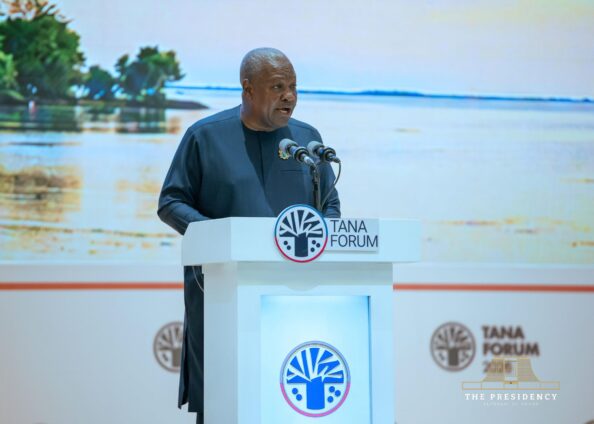
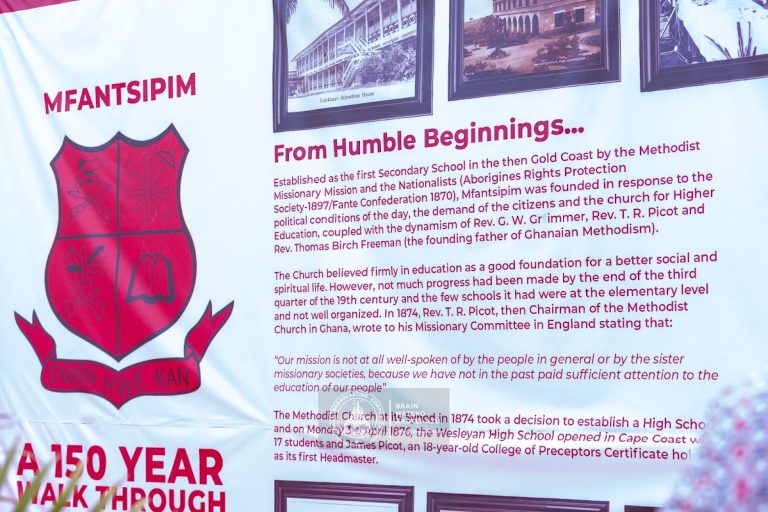
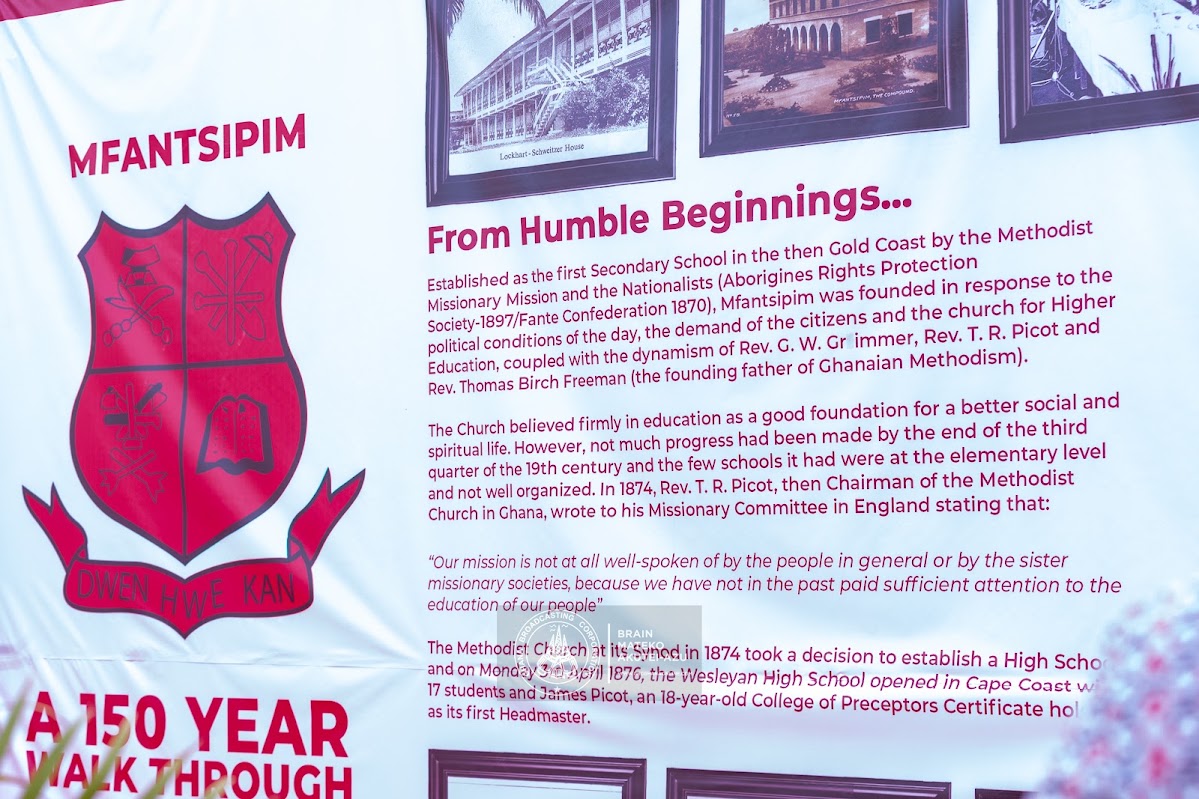
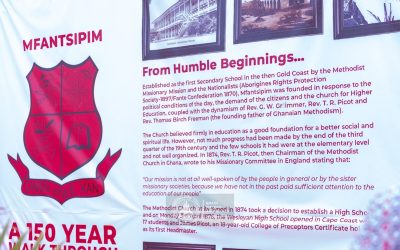
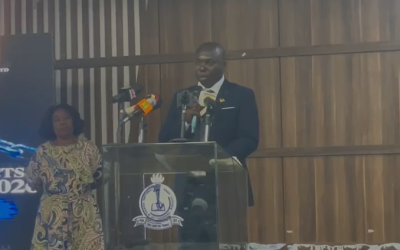
The evening may have been filled with awards, inspiring speeches, music and celebrations, but the Mfantsipim School 150th Anniversary Awards and Fundraising Dinner represented much more than a glamorous gathering. It was an occasion to reflect on 150 years of educational excellence, shared identity, enduring friendships and an institution whose impact continues to shape Ghana and beyond. Before stepping into the event venue, one particular sight immediately attracted attention: the impressive collection of luxury vehicles parked outside. Several high-end cars, including Lexus and Mercedes-Benz models, as well as some of Kia’s latest vehicles, stood out in the parking area. Their elegant appearance and polished finishes offered an early indication of the grandeur associated with the evening. The event, held at the Grand Arena of the Accra International Conference Centre on Saturday, October 31, 2026, brought together Mfantsipim old boys, their families, distinguished guests and other supporters to commemorate the school’s remarkable milestone. The atmosphere was befitting of such an important occasion. A red-carpet reception welcomed guests, while cocktails and canapés provided an opportunity for social interaction before the formal programme began. Inside the hall, the school’s traditional black and red colours featured prominently. Carefully arranged decorations and soft lighting created an atmosphere that combined sophistication with a sense of occasion. The guests also contributed to the evening’s elegance. Many former students arrived in carefully chosen formal attire, accompanied by their wives. From stylish suits and accessories to elegant dresses and footwear, the gathering reflected a remarkable display of fashion and class. However, beneath the glamour and sophistication was a deeper celebration of an institution whose contribution to Ghana’s educational development spans generations. From a humble beginning to an educational giant Mfantsipim’s remarkable journey began on April 3, 1876, when Wesleyan High School opened its doors in Cape Coast with just 17 students. The institution’s first headmaster was James Picot, an 18-year-old Frenchman who helped establish the foundation of what would become Ghana’s oldest secondary school. Founded through the efforts of Methodist missionaries, the school was established to provide formal secondary education and prepare young people for meaningful contributions to society. Although its beginnings were modest, the institution gradually developed into one of Ghana’s most respected educational establishments. Its development was not without difficulties. Changes in leadership, location and institutional identity formed part of its early history. A significant development occurred in 1905 when Wesleyan Collegiate School merged with another institution established by Fante Public Schools Limited. The combined institution adopted the name Mfantsipim. In 1931, the school relocated to its current home at Kwabotwe Hill in Cape Coast. Another important chapter in its history concerns the eight students who continued their education in 1907 despite the absence of a headmaster or teacher. Their determination earned them the name the Faithful Eight after the arrival of Reverend W.T. Balmer. Their story remains an important symbol of perseverance and commitment to education. It is worth distinguishing this episode from the school’s founding history: Mfantsipim started with 17 students in 1876, while the Faithful Eight represented a later generation whose determination became part of the institution’s heritage. The school’s name and identity are also connected to John Mensah Sarbah, a distinguished former student and lawyer who played an important role in its development. Its motto, Dwen Hwe Kan, encourages forward thinking and careful consideration of the future, a philosophy that continues to reflect the institution’s aspirations. Alumni whose achievements extend beyond Ghana The significance of Mfantsipim cannot be determined solely by its age. Its influence is also reflected in the achievements of the individuals who received their education within its walls. Over the years, the institution has produced personalities who have distinguished themselves in politics, international relations, business, technology and other fields. One of its most internationally recognised alumni was the late Kofi Annan, who served as Secretary-General of the United Nations and received the Nobel Peace Prize for his contributions to international peace and diplomacy. Another prominent former student was the late Paa Kwesi Amissah-Arthur, who served as Vice-President of Ghana between 2012 and 2017. The school’s alumni network also includes technology entrepreneur Herman Chinery-Hesse and oil and gas businessman Kofi Amoa-Abban, founder of Rigworld. Although these individuals pursued different professional interests, their educational backgrounds connect them to an institution that has played a significant role in shaping Ghanaian leadership and professional development. Their accomplishments also demonstrate how the influence of a school can extend beyond its immediate environment to international platforms. MOBA: More than an old boys’ association One of the most noticeable features of the anniversary celebration was the strong relationship among former students. The gathering brought together men from different generations and professional backgrounds, many of whom reunited to reminisce about their school days and celebrate their shared heritage. The expression “God is a MOBA” captures much of this relationship. MOBA, meaning Mfantsipim Old Boys Association, is the organised body representing the school’s former students. However, its significance goes beyond an ordinary alumni organisation. For many members, it represents a lifelong connection built on friendship, shared experiences, institutional loyalty and a collective sense of identity. The expression attracted wider public attention during Mfantsipim’s triumph at the 2025 National Science and Maths Quiz, when supporters reportedly used the chant to celebrate the school’s fourth championship victory. The association, formally inaugurated in 1947, has remained an important part of the institution’s development through the involvement and support of its former students. The anniversary theme, A Legacy of Excellence, Leadership and Service to Inspire the Future, reflected the importance of maintaining this relationship. It also served as a reminder that former students have a responsibility not only to celebrate their school’s achievements but also to contribute to its continued growth. Recognising excellence and outstanding contributions Following the reception, guests settled into the main programme, which officially opened with a musical performance by Perez Musik. The master of ceremonies subsequently welcomed attendees and acknowledged distinguished personalities present. Capt. John B. Yamoah, Chairman of the Anniversary Planning Committee, delivered the welcome address, while Prof. David Ofori-Adjei, Chairman of the Awards Committee, provided insights into the recognition process. Capt. Yamoah emphasised that the anniversary should be viewed as a foundation for the institution’s next chapter rather than the conclusion of its achievements. He stated: “150 years is not the end of the Mfantsipim story. It is an opportunity to renew our purpose and prepare for the next 150 years.” He also paid tribute to the teachers, former students and other stakeholders whose dedication had contributed to the school’s development and Ghana’s progress. According to him: “Tonight we honour generations of teachers, old boys and other stakeholders whose dedication and service have helped shape Ghana’s progress.” Prof. Ofori-Adjei also highlighted the importance of maintaining high standards throughout the awards exercise. He explained that the selection process involved nominations, detailed assessments and consultations with experts in relevant fields. “From the outset, the subcommittee had resolved that these awards should be credible, fair and worthy of the name Mfantsipim,” he noted. He further clarified that the awards were not exclusively intended for former students. “It was conceived to remember and recognise alumni, staff and friends of the school. So it was not limited only to old boys.” This approach recognised the important contributions of people and organisations outside the alumni fraternity who have supported the institution over the years. Ensuring transparency in the awards process An important aspect of the awards ceremony was the involvement of PwC Ghana, which provided independent review support to strengthen confidence in the selection process….