
The government has intensified disease surveillance and activated isolation systems at major border entry points to prevent a potential outbreak of the Ebola virus disease in Ghana.
The initiative was highlighted during a tour by Deputy Minister of Health, Grace Ayensu-Danquah, who visited the busy border towns of Elubo and Aflao to evaluate the country’s preparedness against the deadly virus following recent outbreaks in parts of Central Africa.
During the visit, Dr. Ayensu-Danquah assured authorities and residents that the government would take immediate steps to address weaknesses identified in the response system. She noted that President John Dramani Mahama has directed the Ministry of Health to ensure the country is fully prepared to respond to any possible Ebola outbreak.
She emphasized that safeguarding citizens remains a key responsibility of the government and that assessing the country’s readiness forms part of efforts to protect public health.
The inspection tour is part of broader national efforts to strengthen disease surveillance and emergency response systems amid growing concerns about Ebola cases reported in the Democratic Republic of the Congo and other countries in the region.
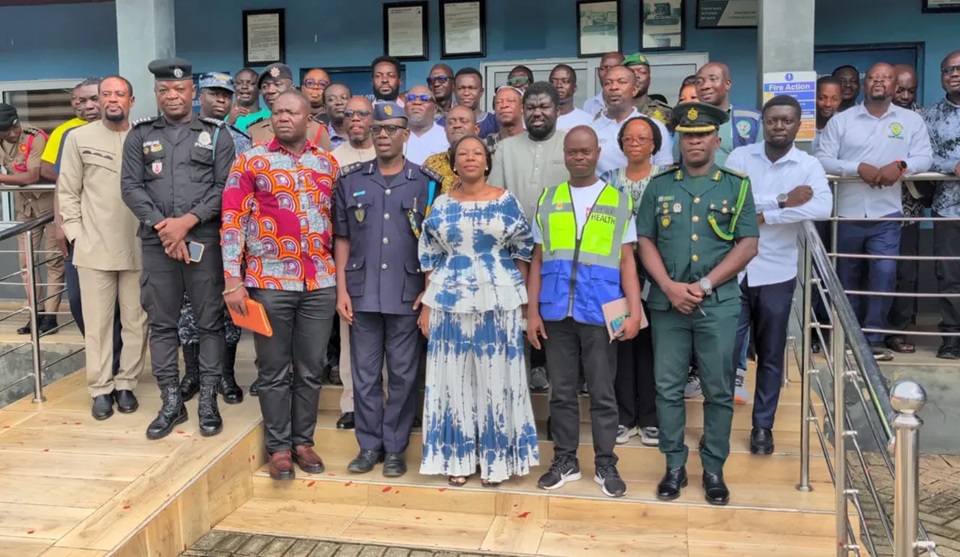
At the border posts, the Deputy Minister met with security personnel, port health officials, and local authorities to assess screening procedures, isolation facilities, and coordination systems designed to identify and contain suspected Ebola cases.
Officials reported that screening, surveillance, and isolation protocols are already operational, providing Ghana with a basic level of preparedness. However, they also highlighted several challenges, including shortages of personal protective equipment (PPE), inadequate staffing levels, and deteriorating infrastructure originally established during the COVID-19 pandemic.
In response, Dr. Ayensu-Danquah stated that the government is taking steps to address these gaps by investing in modern border health facilities, increasing personnel capacity, and providing essential logistics and medical supplies to strengthen frontline defenses.
She reaffirmed the government’s commitment to maintaining effective screening, surveillance, and rapid response systems to safeguard public health.
The visit also reflects the Mahama administration’s broader focus on health security, particularly at border points where trade and movement of people increase the risk of disease transmission.
As part of its wider healthcare agenda, the government is pursuing initiatives such as the Mahama Cares Programme, a free primary healthcare policy, hospital retooling programmes, and the retraining of health workers to improve healthcare delivery and emergency response capabilities.
Beyond infrastructure assessments, the tour sought to enhance collaboration among agencies including the Ghana Immigration Service, the Ghana Revenue Authority, and regional health authorities, while identifying additional resource and training needs to improve the country’s emergency preparedness.
Source: 3news.com