

The Bank of Ghana (BoG) says the tokenisation of real-world assets could play a key role in deepening capital markets, improving access to finance, and enhancing the efficiency of investment systems as the country embraces regulated digital asset innovation.
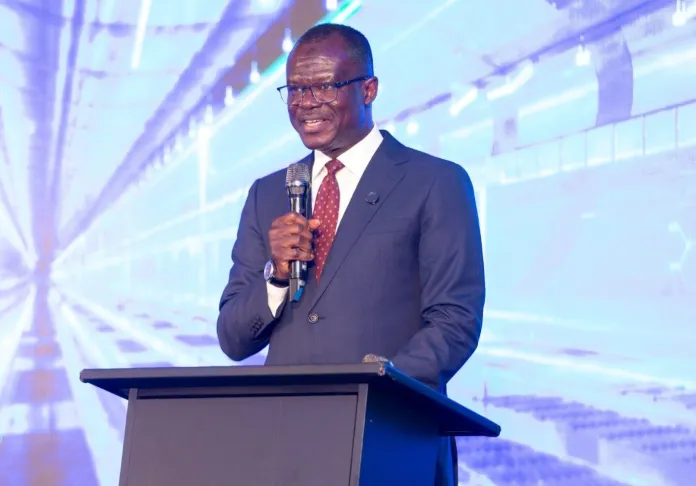
Speaking at the Standard Chartered Digital Assets Summit in Accra, First Deputy Governor Dr. Zakari Mumuni noted that digital assets have grown beyond niche markets and are now an important part of Ghana’s financial ecosystem, with the potential to support investment flows, cross-border trade, and financial inclusion.
He explained that tokenisation—where physical or financial assets are represented digitally on blockchain platforms—could make capital markets more efficient and open up new funding channels for businesses.
According to him, more than three million Ghanaians are already active in the digital asset space, with transactions worth billions of dollars, highlighting the need for structured regulation.
Dr. Mumuni said Ghana has adopted a balanced approach to regulation, avoiding both outright bans and regulatory neglect. Instead, authorities are working to bring digital asset activities under a formal oversight framework.
This includes the implementation of the Virtual Asset Providers Act, 2025 (Act 1154), as well as strengthened cooperation between the Bank of Ghana, the Securities and Exchange Commission, and the Financial Intelligence Centre. A dedicated Virtual Assets Department has also been established, alongside a regulatory sandbox to test innovations safely.
He added that digital financial systems could significantly improve cross-border payments, reduce transaction costs, and support the goals of the African Continental Free Trade Area by facilitating easier trade across the continent.
Dr. Mumuni also linked digital finance to broader financial inclusion efforts, noting that innovations similar to mobile money could help extend financial services to underserved populations.
However, he stressed that digital innovation must complement, not replace, national currency systems, emphasizing that initiatives like the eCedi are designed to strengthen the role of the Ghana cedi rather than compete with it.
He concluded by calling for stronger collaboration among African regulators, financial institutions, and technology providers to build interoperable and secure digital financial systems that support long-term economic growth.
Source: thebftonline.com