
The International Monetary Fund (IMF) has warned that Ghana faces increasingly difficult fiscal and monetary policy decisions as global risks intensify, requiring careful trade-offs to maintain economic stability.
In its April 2026 World Economic Outlook, the IMF noted that the global environment has become less favourable for emerging and developing economies, with the ongoing Middle East conflict identified as a major risk. The war is driving up commodity prices, fuelling inflation, and tightening global financial conditions—developments that directly impact Ghana’s economy.
The Fund projects global growth at 3.1 percent in 2026, with inflation expected to rise to 4.4 percent. In a worst-case scenario, growth could slow further to around 2 percent, with inflation exceeding 6 percent if geopolitical tensions escalate or disrupt energy supplies.
These global pressures are already affecting Ghana, particularly through rising fuel prices. Increased international oil costs have pushed up domestic petrol and diesel prices, placing additional strain on households and businesses.
In response, the government, led by John Dramani Mahama, has introduced temporary measures, including suspending some fuel taxes and deploying public transport support to ease the burden on consumers. However, the IMF cautioned that such interventions should remain short-term, targeted, and delivered through existing social protection systems.
The situation highlights a central policy dilemma: balancing support for citizens with the need to maintain fiscal discipline. Ghana’s fiscal space remains limited, with public debt around 56 percent of GDP and foreign reserves covering about 5.8 months of imports.
The IMF emphasised the need for credible fiscal consolidation, urging the government to strengthen revenue mobilisation and improve spending efficiency to rebuild economic buffers and restore investor confidence.
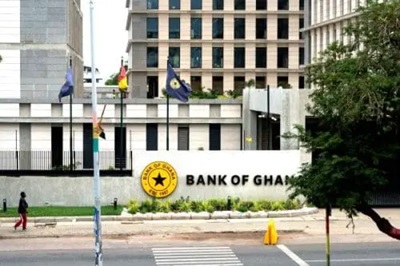
Monetary policy is also under pressure. While inflation has declined to 3.2 percent as of March 2026, the IMF warned that this progress could be reversed by rising fuel and food prices, as well as exchange rate pressures. Central banks, including the Bank of Ghana, are expected to remain vigilant and act decisively if inflation risks re-emerge.
Exchange rate stability was highlighted as another key concern. While interventions may be necessary to prevent excessive volatility, the IMF warned that overreliance on such measures could weaken foreign reserves and undermine policy credibility.
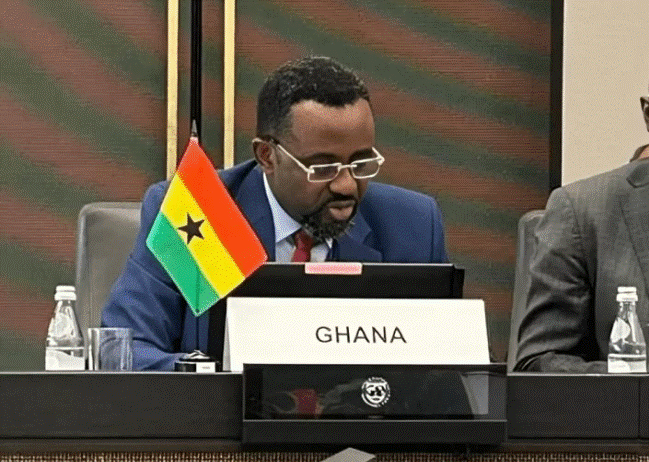
Finance Minister Cassiel Ato Forson, speaking at the IMF/World Bank Spring Meetings, maintained that Ghana’s economy remains resilient, citing ongoing reforms and increased gas production as factors helping to cushion external shocks. However, he acknowledged persistent challenges in the energy sector, including inefficiencies in distribution.
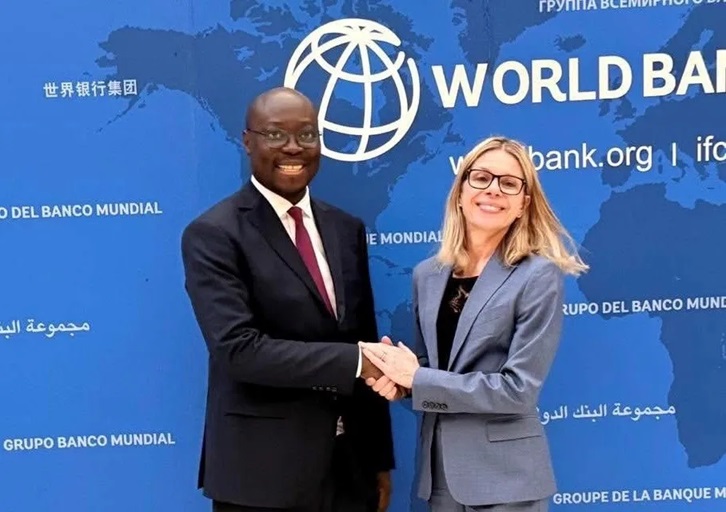
The World Bank also commended Ghana’s progress but stressed the need for structural reforms, particularly in the energy sector, to sustain long-term growth.
Overall, the IMF’s message underscores a shift from stabilisation to resilience. With global uncertainty rising, Ghana must navigate tighter policy constraints, balancing growth, inflation control, and fiscal sustainability.
The Fund concluded that maintaining credibility, rebuilding fiscal buffers, and advancing structural reforms will be critical as the country faces a more volatile and less forgiving global economic environment.
Source: thebftonline.com