
The National Malaria Elimination Programme has called for stronger collaboration among stakeholders to help Ghana achieve its malaria elimination goals.
The appeal was made during the media launch of the 2026 World Malaria Day commemoration in Accra, where officials stressed that eliminating malaria requires coordinated action involving government institutions, development partners, the private sector, health professionals, and communities.
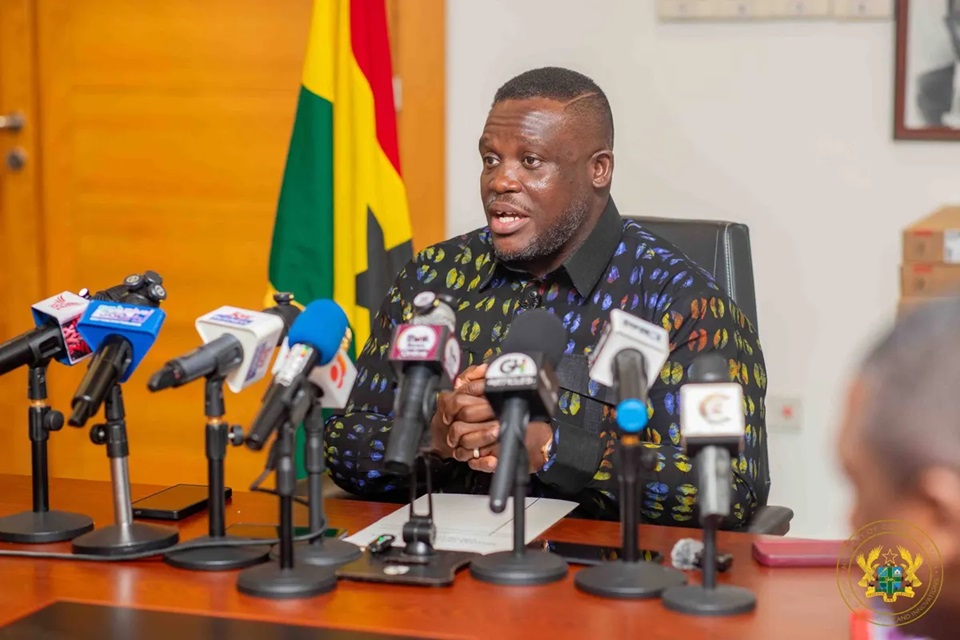
Deputy Programme Manager of the NMEP, Nana Yaw Peprah, said Ghana has made significant progress in reducing malaria cases and deaths, but warned that sustaining these gains and achieving elimination will require intensified collective effort.
He noted that malaria continues to place a heavy economic burden on the country, costing an estimated 1% to 2% of GDP annually. He added that businesses lose about $6.58 million each year due to reduced productivity and absenteeism, while households spend roughly $379.9 million annually on treatment and prevention.
He emphasised that malaria is not only a health challenge but also an economic one, stressing that investment in prevention and control yields significant returns.
According to him, failure to maintain current efforts could reverse years of progress, urging all stakeholders to actively support elimination programmes.
Director of Public Health, Franklin Asiedu Bekoe, also speaking at the event, described the 2026 theme, “Driving to End Malaria: Now We Can, Now We Must,” as both a reminder of progress made and a call for urgent action.
He outlined ongoing interventions such as insecticide-treated nets, indoor residual spraying, seasonal malaria chemoprevention, testing and treatment, and public education, which have contributed to reducing malaria prevalence.
He noted, however, that challenges such as funding gaps, climate change, and behavioural factors continue to hinder progress.
Dr Bekoe stressed the importance of increased domestic financing and stronger private sector involvement, saying private investment can help bridge funding gaps while improving innovation and sustainability in malaria control.
He reaffirmed that malaria remains a major public health concern, particularly affecting children under five and pregnant women.
World Malaria Day, observed annually on April 25, highlights the need for sustained political commitment and investment in malaria prevention and control.
This year’s activities include youth engagement programmes, digital advocacy, stakeholder meetings, a health walk, and a national durbar scheduled for April 25, all aimed at raising awareness and driving collective action toward malaria elimination.
Source: gbcghanaonline.com