
The Minister for Education, Haruna Iddrisu, has announced a new incentive package aimed at encouraging teachers to accept and remain in rural and underserved communities, including a reduction in the number of years required to qualify for study leave with pay.
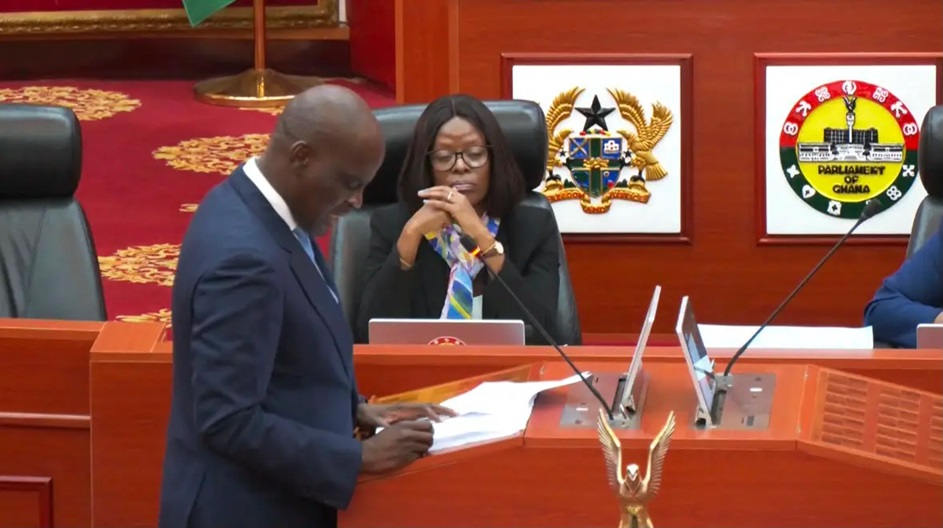
Speaking in Parliament, the Minister revealed that teachers serving in designated deprived and hard-to-reach areas will now be eligible to apply for study leave with pay after two years of service, instead of the previous requirement of three years.
According to Mr. Iddrisu, the policy forms part of government efforts to attract, motivate and retain qualified teachers in communities that often struggle to maintain adequate staffing levels.
He explained that the revised study leave arrangement is intended to reward teachers who accept postings to rural areas while providing them with opportunities for further professional development.
The Minister also reiterated government’s commitment to introducing a 20 percent rural posting allowance for teachers working in deprived communities. He noted that the Ministry of Education, the Ministry of Finance and the Ghana Education Service are collaborating to finalise the implementation of the allowance.
In addition, Mr. Iddrisu disclosed that plans are underway to launch the Teacher Dabre Housing Initiative, a programme designed to provide accommodation for teachers in rural communities and address housing challenges that often discourage educators from accepting postings in such areas.
He stated that future school construction projects will increasingly incorporate residential facilities for teachers to improve living conditions and enhance staff retention.
According to the Minister, the housing initiative will be implemented through a decentralised framework coordinated by the Administrator of the District Assemblies Common Fund, with support from the Ghana Education Service Occupational Pension Scheme (GESOPS).
Mr. Iddrisu revealed that GESOPS, which currently manages approximately GH¢12 billion in assets, could be leveraged as collateral to support the rollout of the programme.
He further indicated that a joint Cabinet memorandum involving the Ministries of Finance, Education, Works and Housing, and Local Government is being prepared to guide the implementation of the initiative.
The Education Minister explained that these measures are part of a broader government strategy to improve teacher welfare, strengthen education delivery in underserved communities and ensure that all children, regardless of location, have access to quality education.
Through the combination of enhanced study leave opportunities, rural allowances and improved accommodation, government hopes to make teaching in deprived communities more attractive and sustainable for education professionals.
Source: gbcghanaonline.com