

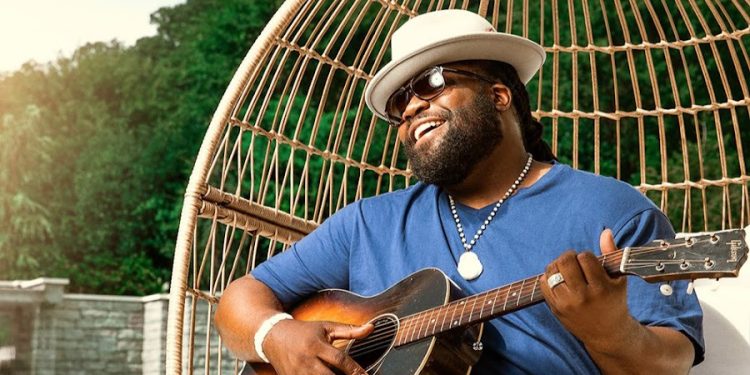
International reggae artist Gramps Morgan has revealed that a DNA ancestry test showed nearly half of his heritage traces back to Ghana, describing the finding as a meaningful confirmation of his African roots and historical identity.
He made the disclosure in Accra during the High-Level Consultative Conference on the “Next Steps” under the United Nations Resolution on Enslaved Africans, which brought together policymakers, academics, diplomats, and members of the African diaspora to discuss reparations, historical justice, and reconciliation.
Speaking at the event, the Jamaican musician said his personal journey into ancestry research revealed that 46% of his genetic background is Ghanaian, a discovery he described as deeply significant.
Gramps Morgan, a member of the Morgan Heritage group, said tracing his lineage was part of an effort to better understand his identity and reconnect with his ancestral homeland.
His remarks were met with applause from participants, many of whom saw his story as a reflection of the broader experiences of descendants of enslaved Africans seeking to reconnect with their origins through genealogy and DNA testing.
The conference focused on the historical impact of the trans-Atlantic slave trade and ongoing discussions around reparatory justice for affected communities.
Gramps Morgan also expressed support for global calls for reparations, aligning his personal discovery with wider advocacy efforts aimed at addressing the long-term consequences of slavery and colonialism.
He added that his findings had strengthened his appreciation of Ghana’s role in the African diaspora and reinforced his sense of belonging to the continent.
The Accra gathering forms part of continued international efforts under United Nations frameworks to promote dialogue, historical accountability, and cultural reconnection between Africa and its diaspora.