
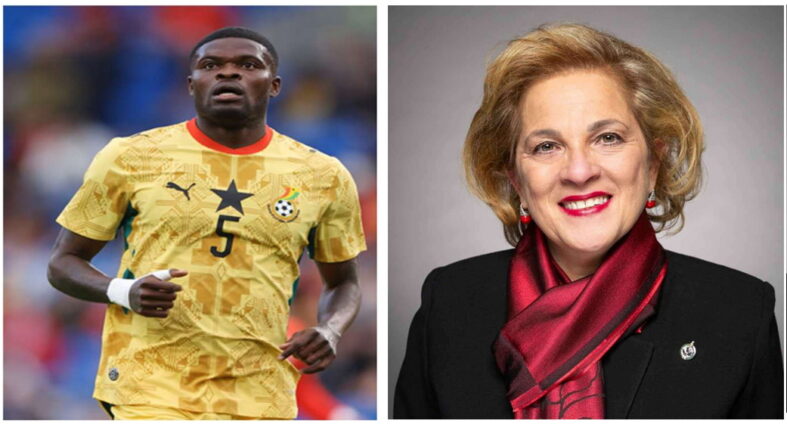
The controversy surrounding Black Stars midfielder Thomas Partey has reignited discussions about the balance between the principle of presumed innocence, a country’s right to control its borders, and the impact of such decisions on international sporting events.
Although Partey is currently facing criminal charges in the United Kingdom, no court has found him guilty, and he has consistently denied the allegations. This has prompted many to argue that individuals should not be treated as guilty before the legal process has run its course.
At the same time, Canada, as a sovereign nation, retains the authority to determine who is allowed entry into its territory. Immigration decisions remain the exclusive responsibility of host countries, with FIFA having no jurisdiction over such matters.
The issue has generated debate over whether sporting competitions such as the FIFA World Cup should be influenced by unresolved legal proceedings. Supporters of the principle of due process maintain that accusations alone should not determine a person’s participation in international events, while others contend that nations have every right to apply their domestic laws and immigration policies as they deem appropriate.
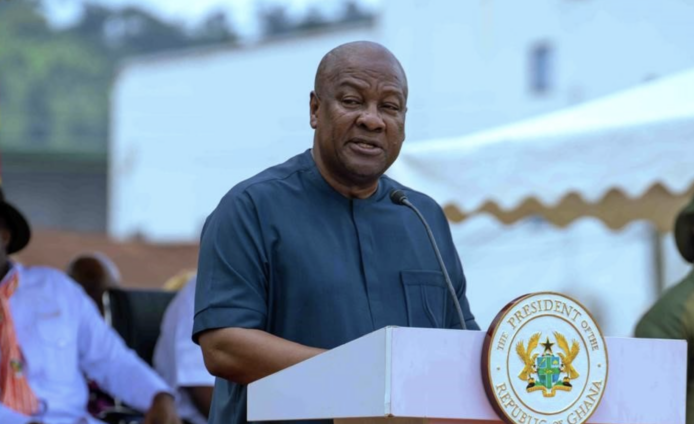
Ghana’s government has formally objected to Canada’s decision, describing it as inconsistent with the doctrine of presumption of innocence. Nonetheless, officials have emphasized their respect for Canada’s sovereign right to enforce its laws and have pursued diplomatic avenues in hopes of securing a review of the decision.
The situation highlights the complex intersection of legal principles, state sovereignty and global sports, raising broader questions about how international tournaments should navigate cases involving athletes who are facing charges but have yet to be convicted.