

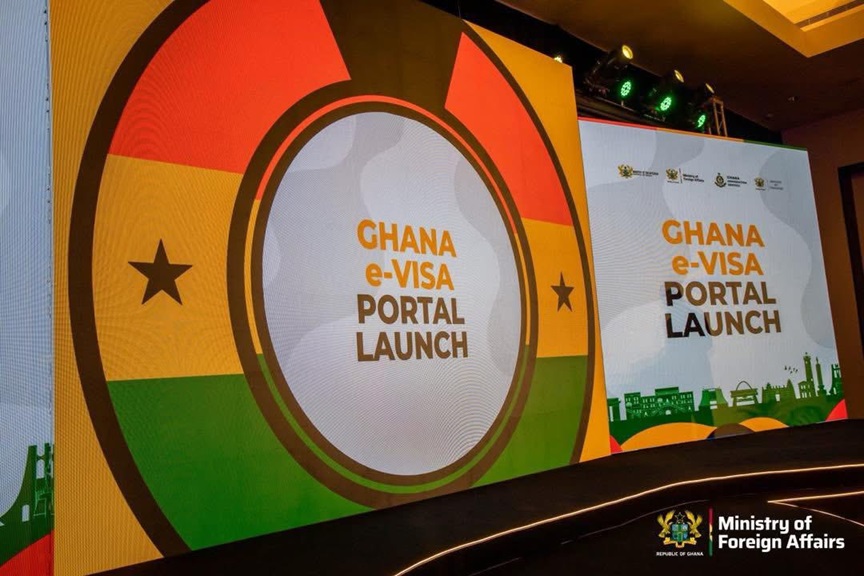
Ghana has introduced a new electronic visa (e-Visa) platform aimed at modernising travel and improving entry procedures for visitors. The initiative, led by the Ministries of Foreign Affairs, Interior, and Tourism, Culture and Creative Arts, has been widely praised as a major step toward digital transformation and smarter travel management.
The e-Visa system is expected to simplify the visa application process by reducing long waits at embassies, improving security screening through integrated passenger information systems, and removing visa fees for African travellers. The move also strengthens Ghana’s image as a leading supporter of Pan-African integration and modern travel solutions in Africa.
Despite these advantages, concerns remain over the high cost of Ghana’s visas. A single-entry visa currently costs $260, while a multiple-entry visa is priced at $468, making Ghana one of the most expensive destinations in the region for travellers, particularly visitors from the United States, who make up Ghana’s largest tourist market.
Critics argue that the additional airport levy charged at Kotoka International Airport further increases travel expenses and may discourage potential visitors. Compared to neighbouring countries, Ghana’s visa fees are significantly higher. For example, Senegal offers visa-free entry, Rwanda charges around $30 for tourist visas, and Kenya’s tourist visa costs about $59.
Observers believe these high charges could negatively affect Ghana’s competitiveness within the tourism sector by making the country appear less accessible to international travellers.
Supporters of lower visa fees point to the success of the 2019 Year of Return campaign, during which the government introduced visa-on-arrival policies and reduced visa costs for targeted visitors. The initiative led to record-breaking tourist arrivals, with over 1.1 million international visitors entering Ghana. Hotels, airlines, restaurants, and cultural institutions all benefited from the increase in tourism activity.
The article also highlights examples from other African countries. Rwanda has boosted tourism through affordable e-Visas and aggressive international marketing, while Kenya simplified regional travel through the East African Tourist Visa system. Senegal has similarly improved tourism by reducing visa barriers and streamlining airport entry procedures.
The piece argues that tourism benefits extend far beyond visa revenue alone. Increased tourist arrivals can boost airlines, hotels, restaurants, transport services, cultural institutions, and the creative arts industry, while also creating jobs and increasing foreign exchange earnings.
According to the article, maintaining high visa fees could limit these wider economic benefits by discouraging visitors before they even enter the country.
The writer therefore calls for Ghana to review its visa pricing strategy and encourage stronger collaboration between government ministries, the Ghana Tourism Authority, airlines, hotels, and players within the creative sector.
In conclusion, the article describes the e-Visa platform as an important achievement for Ghana’s digital and tourism sectors but stresses that lowering visa fees would help maximise the long-term economic benefits of tourism and make Ghana a more attractive destination globally.
Source: Citinewsrooms