

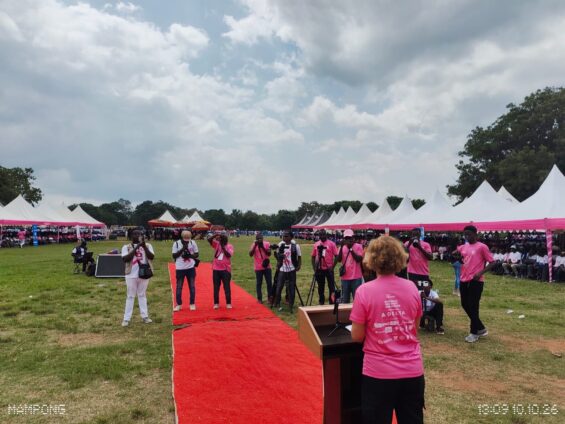
Veteran health journalists and media practitioners in Ghana have reflected on a transformative decade of breast cancer reporting, highlighting how sustained media advocacy has shifted national public discourse from cultural stigma to proactive health-seeking behavior.
Over the past ten years, media platforms have increasingly moved beyond superficial coverage to deliver in-depth investigative pieces, survivor narratives, and expert medical analyses that demystify the disease. Practitioners noted that early reporting was frequently hampered by deep-seated societal taboos, religious misconceptions, and widespread reliance on alternative treatments, which often led patients to report to clinical facilities only at advanced, terminal stages. Through persistent collaborative campaigns—particularly during Pink October initiatives—journalists have successfully pressured policymakers to improve oncology infrastructure, expand public health education into rural communities, and advocate for the inclusion of cancer treatments under the National Health Insurance Scheme (NHIS).
Despite notable progress in public awareness, media leaders emphasized that significant challenges remain, including high treatment costs, limited diagnostic equipment outside major urban centers, and the persistence of misinformation. They called for continued dedication from newsrooms to hold stakeholders accountable, amplify the voices of survivors, and ensure that breast cancer education remains a year-round national priority rather than a seasonal observance.
Source: joyfmonline.com