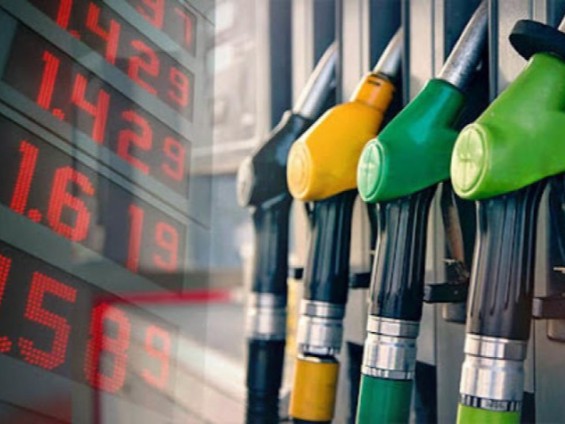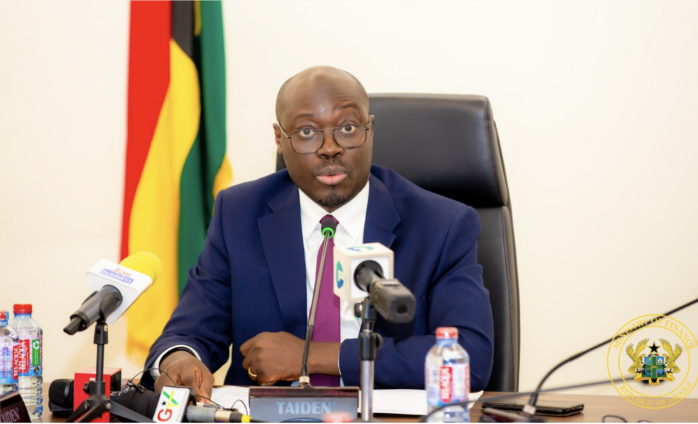

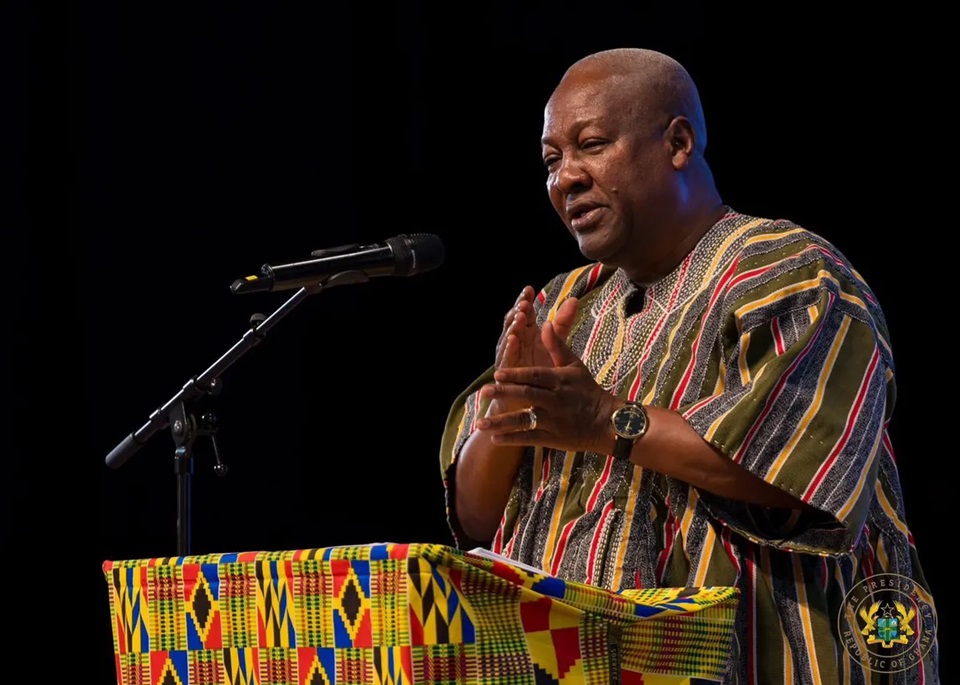
President John Dramani Mahama has unveiled plans for Ghana to resume refining its own crude oil locally, describing the move as a major milestone in the country’s industrialisation drive and economic transformation agenda.
Speaking at the Ghana Diaspora Town Hall Meeting in London, Mahama outlined his government’s strategy to transition Ghana from a raw material exporter into a value-driven industrial economy focused on local production, job creation, and manufacturing growth.
The President revealed that Ghana is expanding offshore oil and gas production while simultaneously investing in domestic processing capacity to ensure that more of the country’s natural resources are refined and utilized locally.
As part of these efforts, he disclosed that Italian energy company ENI has committed approximately $1.5 billion to further develop the Offshore Cape Three Points Field, with the aim of increasing both oil and natural gas production.
Mahama, however, emphasized that increasing output alone is insufficient without building local processing capabilities. He announced that in June, Ghana will deliver crude oil from its own fields to a domestic refinery for processing, marking the first such operation in several years.
The development is widely seen as a significant step toward reducing the country’s dependence on imported refined petroleum products. For many years, Ghana has exported crude oil while importing refined fuels, a system that Mahama argued deprives the country of jobs, technological advancement, and industrial growth opportunities.
According to the President, refining crude oil locally will help retain more value within the economy, conserve foreign exchange, strengthen domestic supply chains, stimulate industrial development, and create employment opportunities across the petroleum sector.
He explained that the initiative forms part of a broader industrial strategy aimed at developing a fully integrated petroleum value chain, covering everything from extraction and refining to storage, petrochemicals, distribution, manufacturing, and exports.
Beyond the energy sector, Mahama called for increased value addition across Ghana’s economy. He noted that the country continues to export raw minerals such as gold, manganese, and bauxite, only to import higher-value processed products later at greater cost.
He argued that exporting unprocessed resources shifts jobs and economic benefits abroad, stressing that sustainable growth requires Ghana to move higher up the value chain through investments in manufacturing, agro-processing, mineral beneficiation, petrochemicals, fertilizer production, food processing, and industrial parks.
Analysts believe the strategy could strengthen Ghana’s position as a leading industrial and manufacturing hub in West Africa while boosting employment, technology transfer, and exports.
The planned delivery of Ghanaian crude to a local refinery is expected to serve as a symbolic milestone in the country’s economic development, reflecting a renewed focus on industrialisation, self-sufficiency, and domestic value creation.
Mahama concluded by reiterating that value addition should be at the core of Ghana’s development agenda, not only in oil and gas but also in mining, agriculture, manufacturing, and other productive sectors.
The announcement was one of the major highlights of the Ghana Diaspora Town Hall Meeting, where the President engaged Ghanaians living abroad on his administration’s economic policies, investment opportunities, and plans to transform Ghana into a competitive manufacturing and processing center in Africa.
Source: 3news.com