
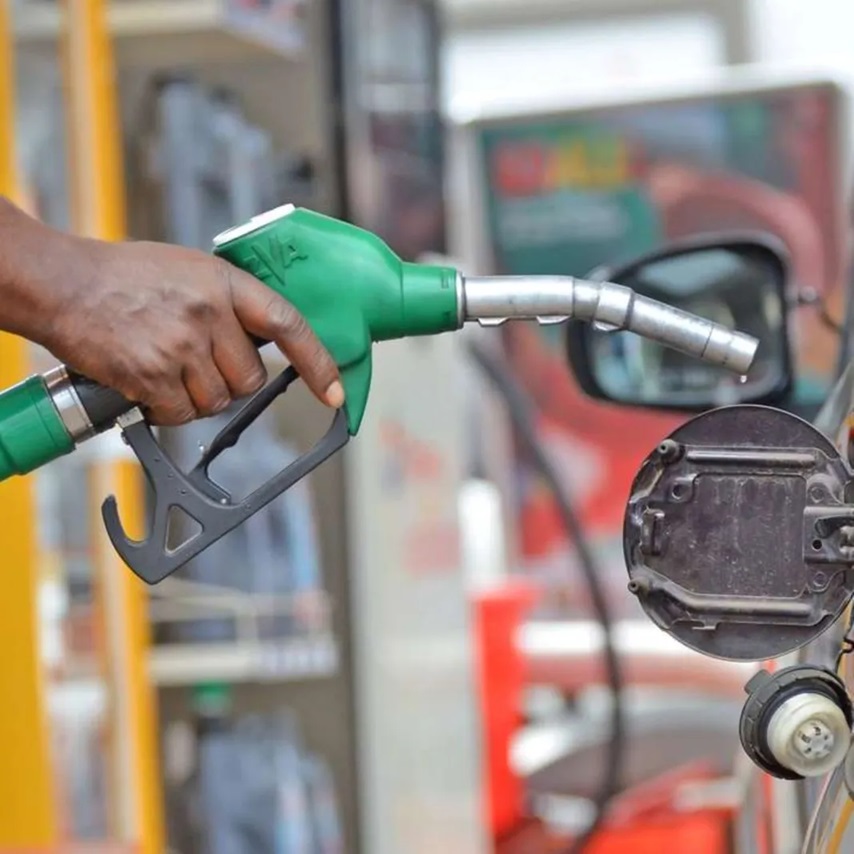
The group’s Full-Year 2025 analysis, based on Bank of Ghana data, estimates that the petroleum import bill reached about US$4.95 billion, up from US$4.63 billion the previous year. Refined product imports also climbed from 5.06 million metric tonnes in 2024 to 6.92 million metric tonnes in 2025.
Petroleum products now account for about 30–32% of total national import expenditure, making fuel the country’s single largest import item. The report attributes the increase largely to weak domestic refining output.
Local refining fell by 11.3% in 2025, highlighting continued underutilisation of domestic capacity and increasing reliance on imports. During the period, local refinery production met only about 6% of total fuel supply, down from 9% in 2024.
The report notes that the Tema Oil Refinery (Tema Oil Refinery) currently processes about 28,000 barrels per day, while Sentuo Oil Refinery processes around 40,000 barrels per day, both still below national demand.
Although domestic production recovered in the third quarter of 2025, overall output remained weak, partly due to operational challenges and shutdowns at key facilities. Meanwhile, national fuel consumption rose to 7.45 billion litres, driven mainly by increased demand for petrol and diesel.
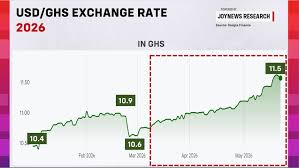
COMAC observed that over 90% of Ghana’s petroleum supply is now imported, warning that this heavy dependence exposes the economy to global oil price shocks, exchange rate pressures, and supply chain disruptions.
The report also revealed that all locally produced crude oil is exported due to its higher international value, while refined products are still imported into the country, deepening the imbalance in the energy value chain.
Looking ahead, COMAC estimates that local refining could meet 18–25% of national demand if operations stabilise and investment improves. However, it stressed that current storage capacity—covering only three to six weeks of supply—is insufficient and falls below international resilience standards.
The chamber therefore called for urgent investment in refining capacity and strategic fuel storage infrastructure to reduce import dependence and strengthen energy security.
Source: thebftonline.com