

The World Bank has projected a sharp increase in global fertiliser prices in 2026, raising concerns about rising food costs and potential threats to food security worldwide.
In its latest Commodity Markets Outlook, the institution forecasts a 31% jump in fertiliser prices, reversing earlier declines. The surge is largely attributed to escalating tensions in the Middle East, which have disrupted supply chains. Fertiliser prices have already climbed by more than 12% in the first quarter of 2026, reaching levels last seen during the 2022 energy crisis.
A major factor behind the increase is congestion along key shipping routes, particularly the Strait of Hormuz, through which a significant share of global fertiliser trade passes. Ongoing instability in the Persian Gulf has driven up freight costs and slowed exports.
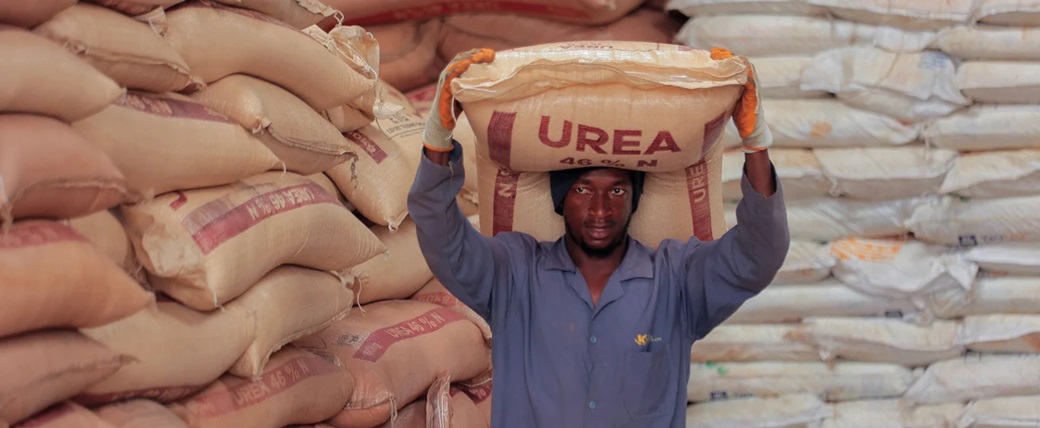
Prices of urea—the most widely used nitrogen-based fertiliser—have risen sharply, with a significant month-on-month increase recorded in March 2026. The World Bank expects prices to remain elevated throughout the year, driven in part by rising energy costs, as natural gas is a key input in fertiliser production.
The surge in fertiliser costs is expected to have a delayed impact on agriculture, as farmers may reduce usage due to affordability challenges. This could lead to lower crop yields in the coming seasons and intensify global food insecurity. The World Food Programme has warned that prolonged disruptions could push millions more people into severe food shortages.
In response to these global pressures, the Government of Ghana has announced plans to provide free fertiliser to farmers during the 2026 farming season. President John Dramani Mahama has directed the Ministry of Agriculture to distribute available stocks at no cost in an effort to cushion farmers and protect local food production.
Across Africa, efforts are also underway to reduce reliance on imports. Under the African Union’s Nairobi Declaration, countries are working toward boosting domestic fertiliser production. Major players such as OCP Group and Dangote Group are expanding capacity to help stabilise supply.
Despite these measures, lower-income and food-importing countries remain particularly exposed to the crisis, facing rising costs, inflationary pressures, and fiscal strain. While the World Bank suggests prices could ease by 2027 if geopolitical tensions subside, the short-term outlook remains challenging.
The situation highlights the vulnerability of global food systems to geopolitical disruptions, with experts warning that stabilising food prices will depend heavily on resolving ongoing conflicts and strengthening supply resilience.
Source: gbcghana.com